
Nyankpala – The CSIR-Savanna Agricultural Research Institute (CSIR-SARI) is breeding at least three improved sesame varieties to raise yields, cope better with a changing climate and help turn sesame into a commercial crop for Ghana.
The work falls under the DCP-VACS Sesame Impact Accelerating Project. Breeders are targeting early- to medium-maturing varieties that suit farmers in the field and also meet the quality standards that processors and exporters demand.
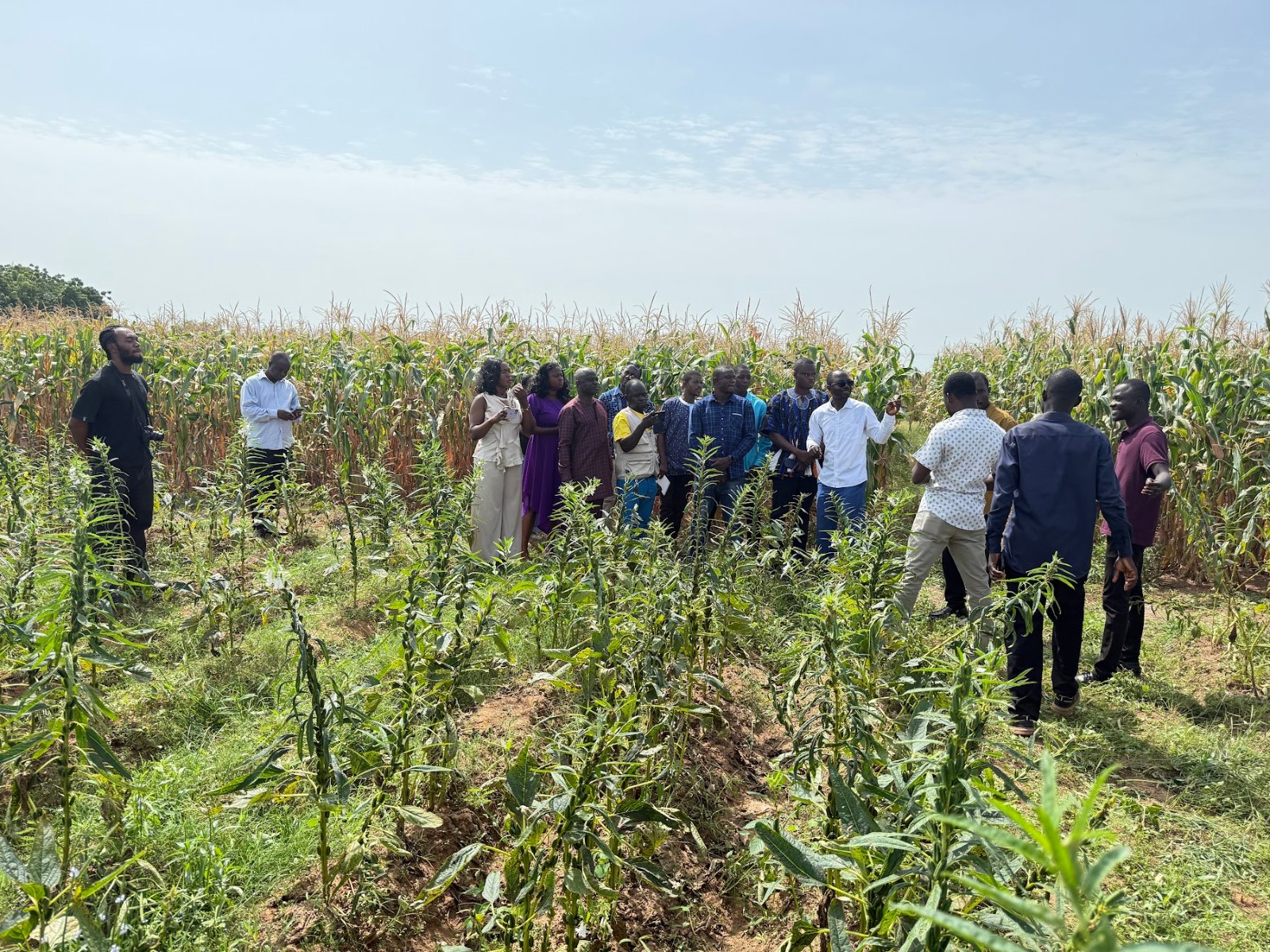
Progress on the project was reviewed at a sesame product development team and stakeholder workshop held at the CSIR-SARI conference hall in Nyankpala, in the Tolon District of the Northern Region.
Researchers, farmers, seed producers, processors, aggregators, exporters, agro-input dealers, policymakers and development partners took part. Together they reviewed breeding progress, validated the Target Product Profiles (TPPs) that set out what each new variety must deliver, and agreed a roadmap for testing and releasing the varieties.
Varieties for three farming zones
The new varieties are being developed for Ghana’s Transition, Guinea Savannah and Sudan Savannah zones. Alongside the breeding, the project is building a seed system to multiply and distribute the varieties once they are released.
It will also track how widely farmers adopt the varieties, the yield and income gains they bring, and their effect on household livelihoods.
Overlooked crop with big potential
Director of CSIR-SARI, Dr Francis Kusi, said sesame could create wealth in rural communities and supply industry, but had not received the attention it deserved.
He said unlocking that potential required more than producing grain. Improved varieties, quality seed and market demand had to be linked in a well-coordinated value chain.
Dr Kusi said the Institute was committed to breeding improved varieties of opportunity crops such as sesame and fonio, so that they meet the needs of processors and the market and contribute more to agricultural and industrial growth.

Breeding with the market in mind
Project Lead, Dr Emmanuel Yaw Owusu, said rising demand at home and abroad was drawing commercial farmers and policymakers to sesame. Production, however, was held back by limited access to improved varieties, weak agronomic practices, post-harvest losses and unstable prices.
He noted that Ghana has no officially released improved sesame variety yet, so smallholder farmers rely mostly on local landraces and mixed seed of introduced varieties, which keeps yields low.
According to Dr Owusu, the TPPs were shaped through consultations with farmers, seed producers, processors and exporters, so that the new varieties would be both productive and commercially attractive. Breeding without a clear market focus, he warned, risked producing varieties that end users did not want.
Farmers want early maturity and high yields. Processors look for high oil content and quality, while exporters need consistent seed colour, uniformity and quality. These preferences are guiding the breeding strategy.
Dr Owusu said the project would also produce high-quality foundation and certified seed for large-scale multiplication, giving farmers reliable access to planting material and reducing their production risks.
Linking farmers to markets
Dr Zakaria Issahaku, Founder and Director of Mayiya Investments, said commercial success would depend on connecting improved varieties and good farming practices to dependable markets.
Farmers, he said, must meet buyers’ quality standards and supply consistently. “Improved varieties alone cannot drive commercial success,” he stressed.
Adapted from a report by the Business & Financial Times (B&FT).
Leave a Reply