
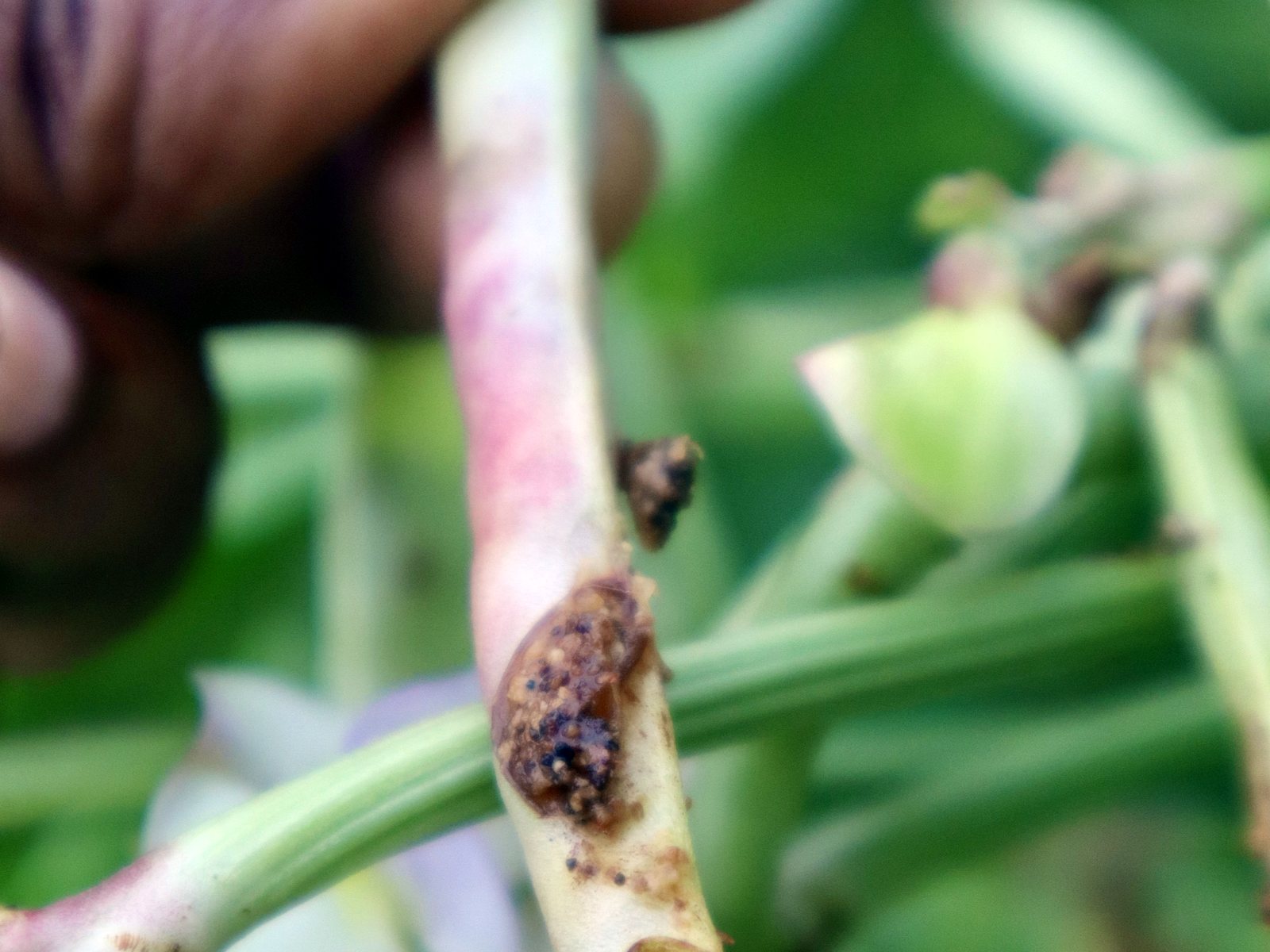
Nyankpala, April 29 – Field trials in northern Ghana have confirmed that Songotra-T, the genetically modified cowpea developed by CSIR-SARI and partners, is resistant to the legume pod borer and gives farmers higher yields and returns.
The findings were shared by scientists from CSIR-SARI, Australia’s CSIRO, the African Agricultural Technology Foundation (AATF) and the Donald Danforth Plant Science Center, including CSIR-SARI’s Dr Gloria Adazebra and Dr Jerry Nboyine. The team has worked for nearly 20 years across Ghana, Nigeria, Burkina Faso, Australia and the United States to develop the variety.
The trials were conducted at four locations in Ghana’s cowpea belt. Songotra-T was compared with its conventional parent, Songotra, and two other popular CSIR-SARI varieties, Kirkhouse-Benga and Wang-Kae.
Songotra-T produced an average grain yield of 2,534 kg per hectare, against 1,414 to 1,757 kg per hectare for the conventional varieties. It also needed 80 per cent less insecticide and gave the highest return on investment, at 464 per cent.
The scientists said fewer insecticide sprays would lower production costs, reduce farmers’ and consumers’ exposure to chemicals and protect beneficial insects such as spiders and ladybird beetles.
They noted that the next task is to build seed production and distribution systems that can put the variety into the hands of farmers at scale.
Based on an article by the research team, first published in The Conversation and republished by Citi Newsroom.
Leave a Reply