

Savanna Agricultural Research Institute
Nyankpala, Ghana — January 15, 2026
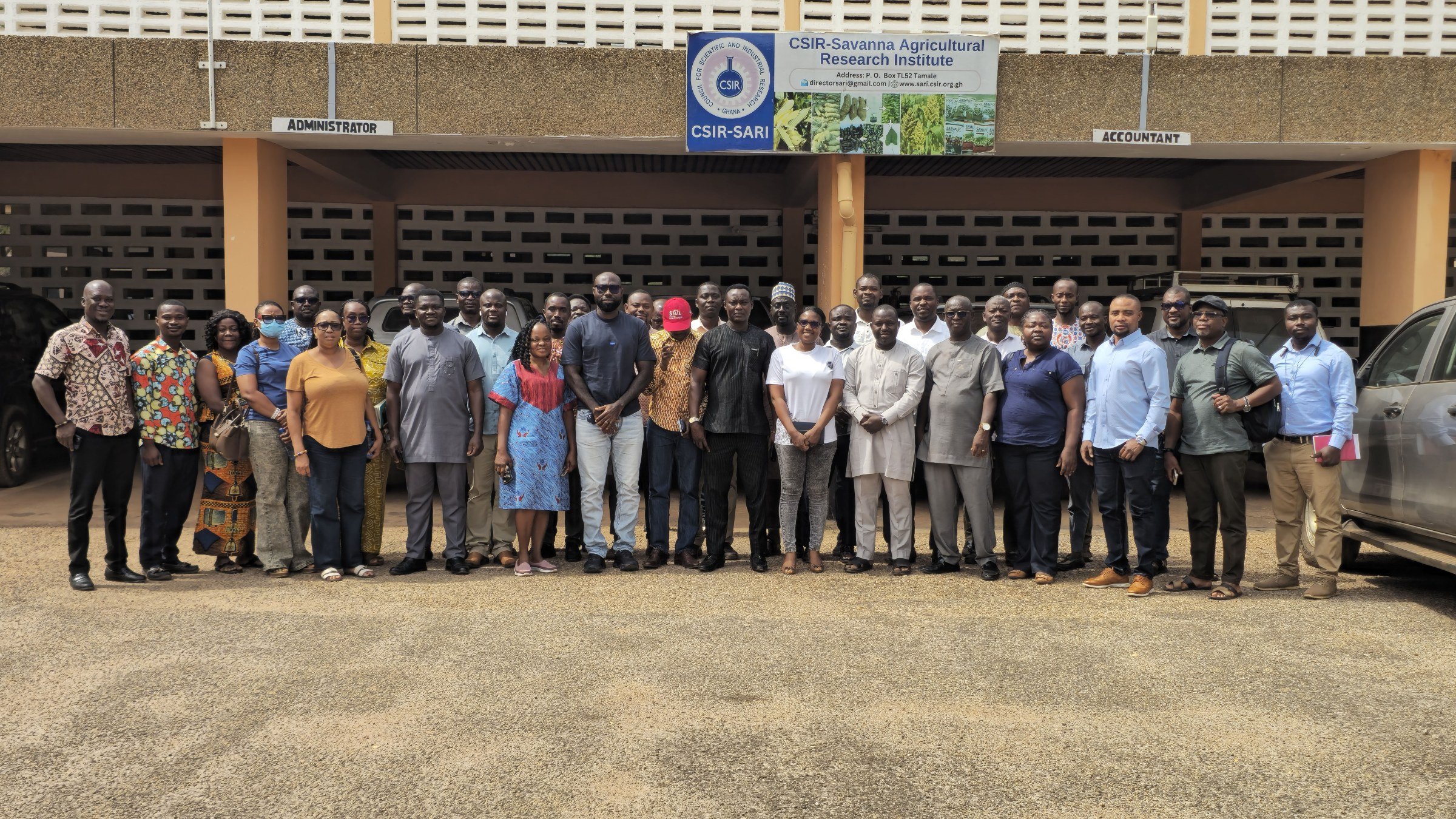
The Council for Scientific and Industrial Research – Savanna Agricultural Research Institute (CSIR-SARI) has hosted Members of the Parliamentary Select Committee on Environment, Science and Technology at its headquarters in Nyankpala, Northern Region, as part of efforts to deepen Parliament’s understanding of the Institute’s work and explore avenues for strengthened institutional support.
The visit provided the Committee with first-hand insight into CSIR-SARI’s ongoing research and technology development initiatives. Members toured key facilities, including the Institute’s new yam breeding technology site and the rice seed warehouse, where improved seed stocks are prepared to support farmers during the planting season.
Presenting an overview of the Institute’s operations, achievements, and challenges, the Director of CSIR-SARI, Dr. Francis Kusi, highlighted the Institute’s long-standing contribution to national food security through the development and release of improved crop varieties such as rice, maize, soybean, groundnut, and yam. He noted that CSIR-SARI continues to play a pivotal role in delivering climate-smart and productivity-enhancing technologies to farming communities across northern Ghana and beyond.
Dr. Kusi, however, drew attention to critical challenges confronting the Institute, including limited funding, high staff attrition, and the recent withdrawal of donor support, which has affected several ongoing research projects. He appealed to Members of the Committee to use their influence to help address these constraints and strengthen CSIR-SARI’s capacity to deliver on its national mandate.
Members of the Parliamentary Select Committee expressed admiration for the Institute’s work and acknowledged its strategic importance to Ghana’s agricultural transformation agenda. The Ranking Member of the Committee, Professor Adam Hamza, described the current budgetary allocation to CSIR as inadequate and indicated that the Committee would consider policy and legislative measures to secure more sustainable funding for the Institute. He also emphasized the need for improved conditions of service to attract and retain scientific talent.
The Vice Chairman of the Committee, Mr. John Darko, reaffirmed Parliament’s commitment to advocating for increased government investment in CSIR-SARI’s operations, noting that the Institute’s work remains essential to improving national food security. He further expressed optimism that planned recruitment of scientists into the public research sector could help address staffing gaps at the Institute.
The engagement concluded with a shared commitment between CSIR-SARI and the Parliamentary Select Committee to strengthen collaboration in advancing agricultural research, innovation, and technology delivery for sustainable livelihoods and food security in Ghana.
— CSIR-SARI Communications Unit
Source: Select Committee on Environment, Science, Technology visits CSIR-SARI https://gna.org.gh/2026/01/select-committee-on-environment-science-technology-visits-csir-sari/
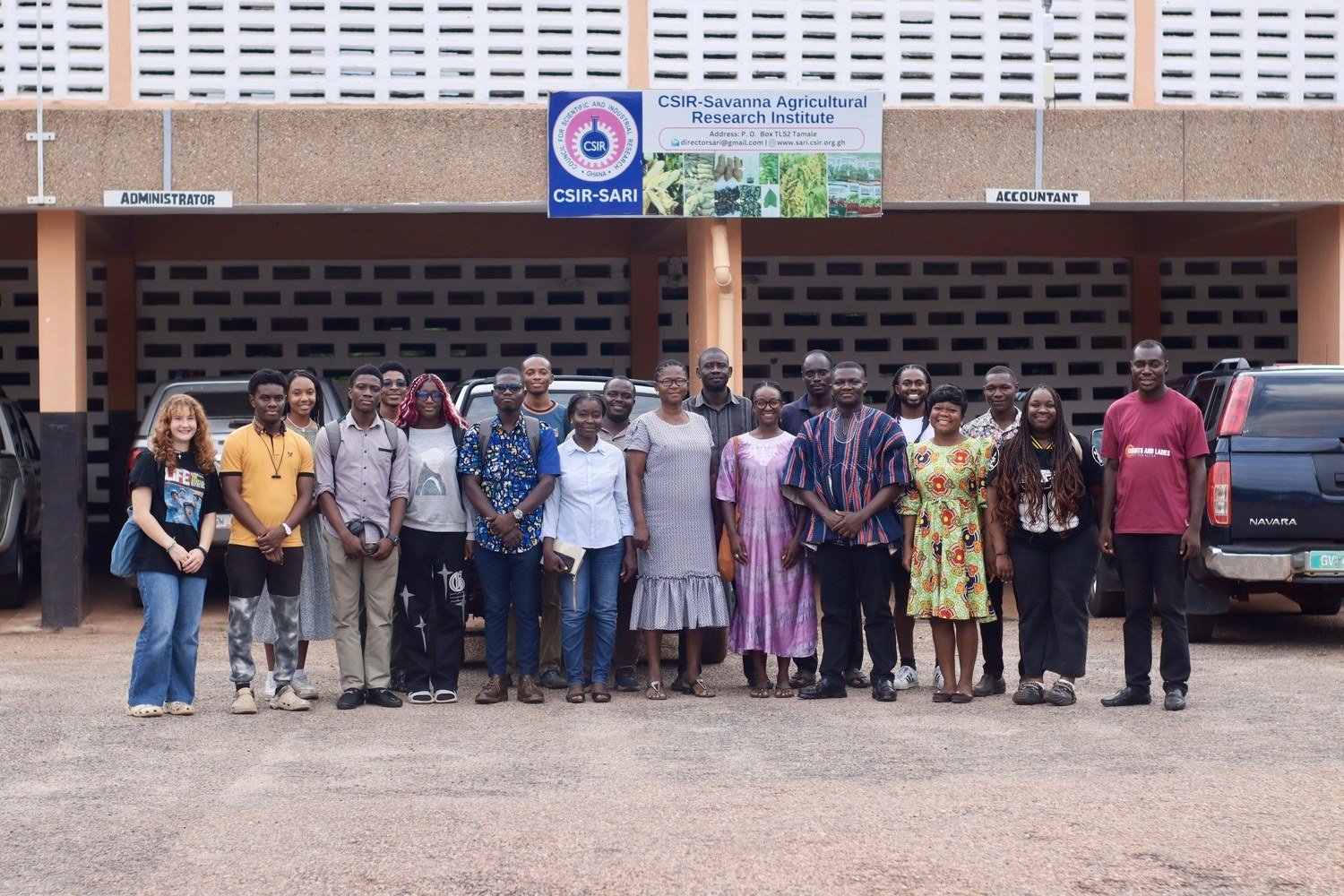
The CSIR–Savanna Agricultural Research Institute (CSIR-SARI) welcomed a delegation from EnergieRich, a social enterprise championing locally built solar panels and solar-powered farm tools for Ghana’s agricultural sector.
The delegation was led by Dr. Dena Montague, founder of EnergieRich and a professor at Stanford University, accompanied by students from Stanford University (USA) and Ashesi University (Ghana).
Receiving the visitors on behalf of CSIR-SARI, the Deputy Director, Dr. Joseph Adjabeng Danquah, expressed the Institute’s readiness to explore potential collaborations with EnergieRich. Discussions focused on the testing of a prototype solar-powered sprayer, designed for the application of herbicides, fertilizers, and water—an innovation with the potential to improve efficiency, reduce costs, and promote climate-smart agriculture in northern Ghana.
CSIR-SARI extends its sincere appreciation to Dr. Montague and her team for the visit, as well as to the Institute’s dedicated research scientists who contributed to the fruitful exchange. The Institute looks forward to future engagements that will drive technological innovations for sustainable farming in the region.
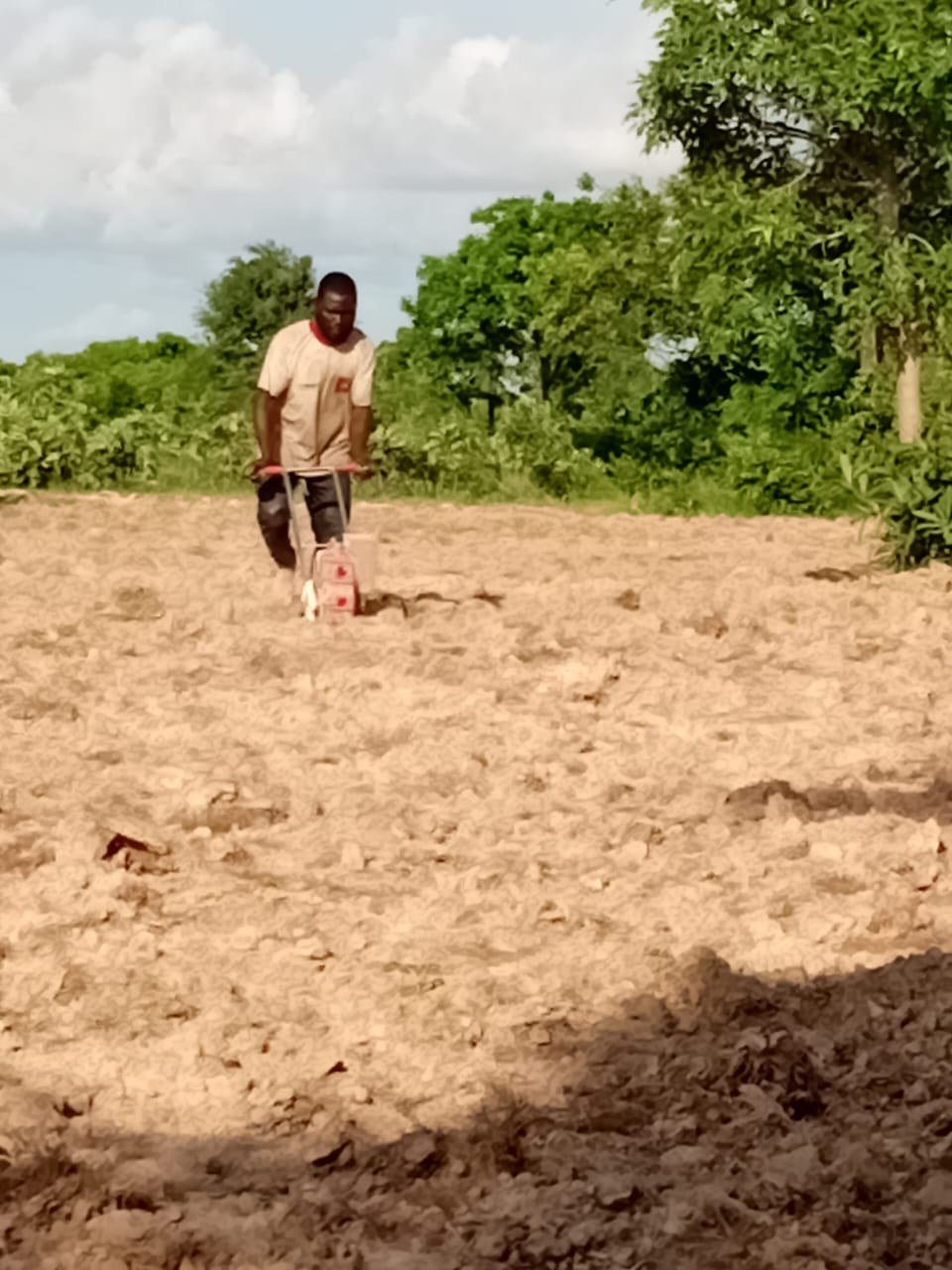
Mion District, Ghana – July 2, 2025. Barely a month after receiving foundation seed and startup capital under the Agricultural Technology Park (ATP) youth empowerment initiative, Mohammed Seidu, a beneficiary from Tugu Yapala in the Mion District, is already transforming his rice farming dream into reality. Mr. Seidu, one of the four young farmers supported by CSIR-SARI under the CORAF-backed initiative, has successfully cultivated three acres of rice using the foundation seed provided by the institute. Though the project did not supply machinery, Seidu resourcefully accessed a simple planter to improve his planting efficiency. His commitment and early progress reflect the core objective of the initiative—to empower youth through sustainable agribusiness along the seed value chain. “I’m proud of what I’ve started,” Seidu shared. “With the quality seed and guidance from CSIR-SARI, I can already see the difference in my field.” Seidu received support as part of CSIR-SARI’s broader strategy to promote youth-led agribusiness through its ATP in Nyankpala. Each selected youth received $500 (approximately GHS 5,000) along with foundation seeds to kickstart seed production in either rice, soybean, or hybrid maize. In Seidu’s case, the focus was on rice—a key staple crop for both food security and income generation in Northern Ghana. Dr. Francis Kusi, Director of CSIR-SARI and Coordinator of the ATP project, explained the vision behind the initiative. “Our goal is to build a new generation of certified seed producers—youth who are passionate about farming and willing to lead the change. We’re proud to see young people like Seidu taking bold steps.” ASM Agro and Trading Enterprise, the company working with Seidu, is also optimistic about the prospects of youth-led seed businesses in the region. With continued technical support from CSIR-SARI and plans to monitor the entire production cycle—from planting through harvesting and marketing—beneficiaries like Seidu are expected to contribute meaningfully to Ghana’s local seed supply system. Seidu’s story serves as a powerful example of what happens when innovation, opportunity, and determination come together. As the rice on his field continues to mature, so does his dream of becoming a key player in agricultural development in his district and beyond.
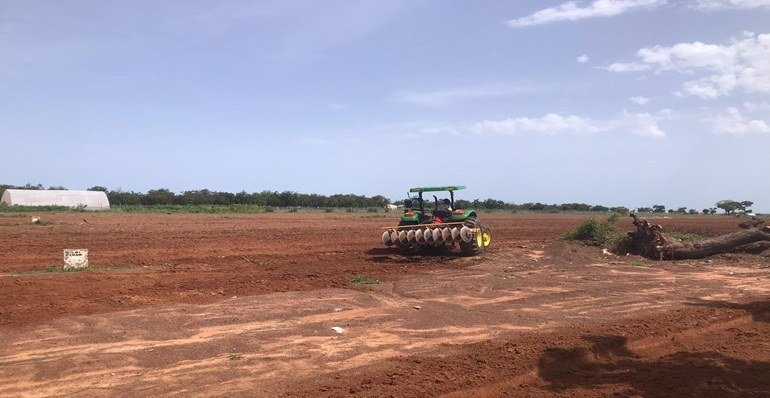
As the 2025 farming season sets in, the Council for Scientific and Industrial Research–Savanna Agricultural Research Institute (CSIR-SARI) has commenced full-scale preparations for its annual Technology Park, located at the institute’s headquarters in Nyankpala. The Technology Park serves as a critical platform for showcasing tested and proven agricultural technologies, enabling farmers, researchers, extension agents, and students to physically access practical innovations aimed at boosting productivity and resilience, especially within Northern Ghana’s agroecological context. This year’s preparations have begun in earnest with several key activities already completed. the park has been given a massive facelift in terms of modern infrastructural facilities and expansion, allowing a lot more technologies be brought on board. In addition, ploughing, topsoil application, composting, and harrowing have all been completed, resulting in a field that is fully prepared and awaiting planting in the next two weeks. “This year, we’re not just expanding the park physically, but also in terms of the diversity of technologies we plan to showcase,” said Dr. Charles Nelimor, Manager of the Technology Park. “We want the park to reflect not only the needs of our farmers but also the forward-looking solutions coming out of our research programmes.” To demonstrate innovative solutions in water management, a lowland demonstration site has been constructed using bonds. This aims to show farmers how they can create simple lowland environments that retain moisture adequate for successful rice cultivation, even in typically upland areas. In addition, work is underway to install a functional irrigation system and construct a mini plant house. These will support dry season activities and allow for controlled demonstrations of crop and vegetable technologies. Looking Ahead In the coming weeks, CSIR-SARI will begin the layout and establishment of various technological plots featuring: Improved crop varieties across 10 different crops Best-bet agronomic practices for enhanced productivity Post-harvest technologies to reduce losses and improve quality Integrated soil fertility management approaches Livestock and insect-based innovations, including Guinea fowl production and Black Soldier Fly farming The Technology Park continues to be a cornerstone of CSIR-SARI’s farmer-engagement and knowledge-sharing efforts. It provides an opportunity for direct interaction between science and society—where farmers see, touch, and experience technologies that are ready for adoption. As the season progresses, the Institute will invite stakeholders and the public to scheduled field visits, learning sessions, and an official Open Day.
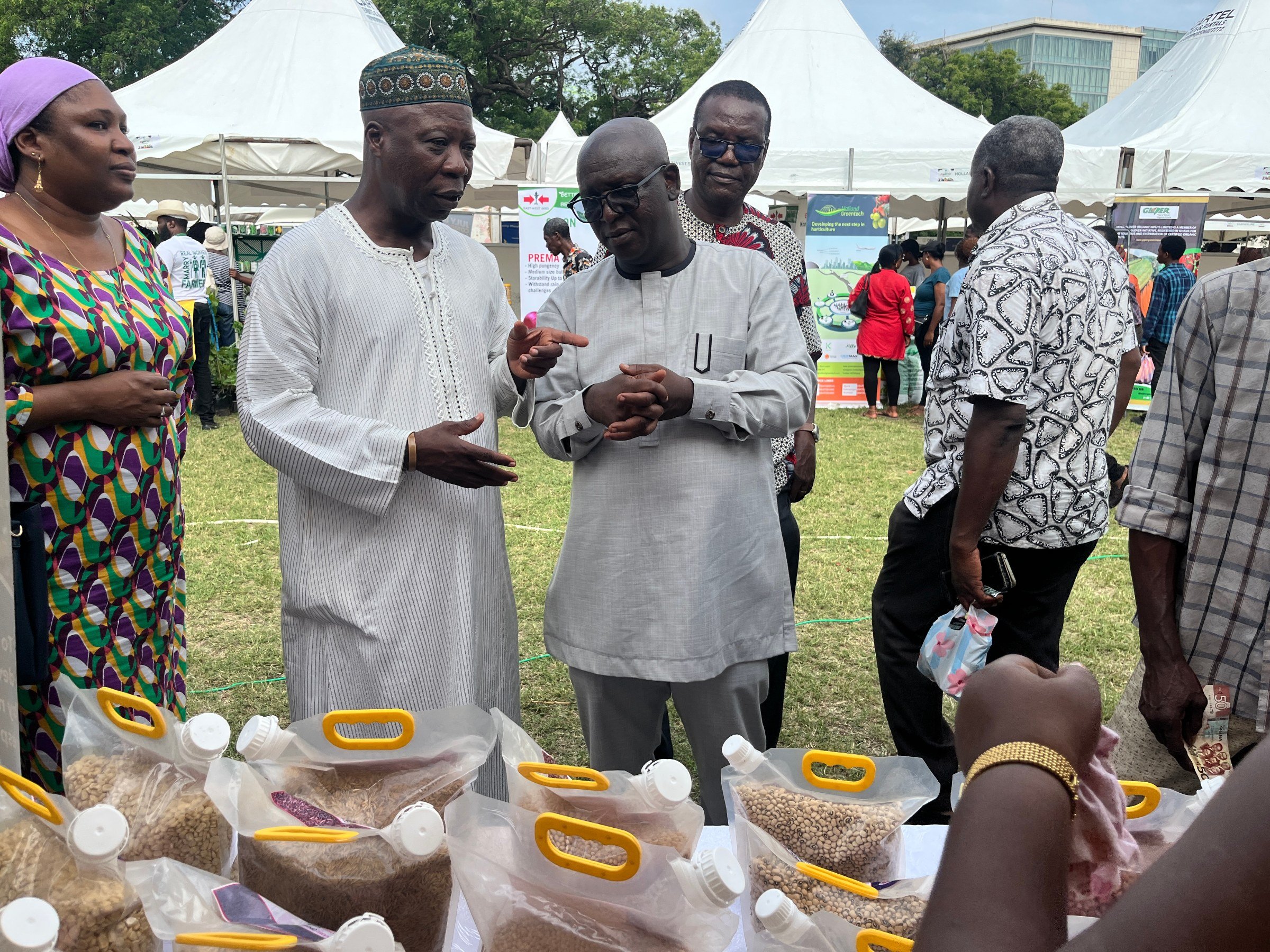
The Savanna Agricultural Research Institute (CSIR-SARI) actively participated in AgriFair 2025, held from June 20 to 23 at the Efua Sutherland Children’s Park in Accra. Organized under the theme “From Farm to Market: Linking Innovation with Access,” the fair brought together farmers, agribusinesses, researchers, policymakers, and the general public to explore practical innovations in agriculture. At the event, CSIR-SARI showcased its latest climate-resilient crop varieties tailored to the northern Ghanaian agroecological context. These included improved varieties of cowpea, soybean, groundnut, and sorghum, with special emphasis on SONGOTRA-T and Wang Kae cowpea—two early-maturing, pest-resistant varieties developed to improve food security and farmer incomes in drought-prone regions. Due to their limited availability on the open market, many visitors took the opportunity to purchase seeds directly from the CSIR-SARI stand. One of the highlights of the event was SARI’s training session on seed yam production using vine cuttings, a groundbreaking innovation that allows farmers to multiply clean seed yam from vine materials instead of whole tubers. The method significantly reduces production costs while increasing the availability of planting material, making it a scalable solution for commercial yam farming. The demonstration attracted strong interest, particularly from youth and extension officers seeking sustainable propagation techniques. In addition to technology demonstrations and training, CSIR-SARI also used the platform to engage visitors on the Alliance for Cowpea Improvement in Africa (ACIA) project. Staff shared information about the project’s objectives, its focus on improving cowpea value chains, and its impact on smallholder farmers in Northern Ghana. CSIR-SARI’s participation at AgriFair 2025 reaffirmed the institute’s commitment to bridging the gap between research and practice. Through its display and outreach, SARI continues to promote farmer-centered innovations that address real-world agricultural challenges and enhance resilience in the face of climate change.
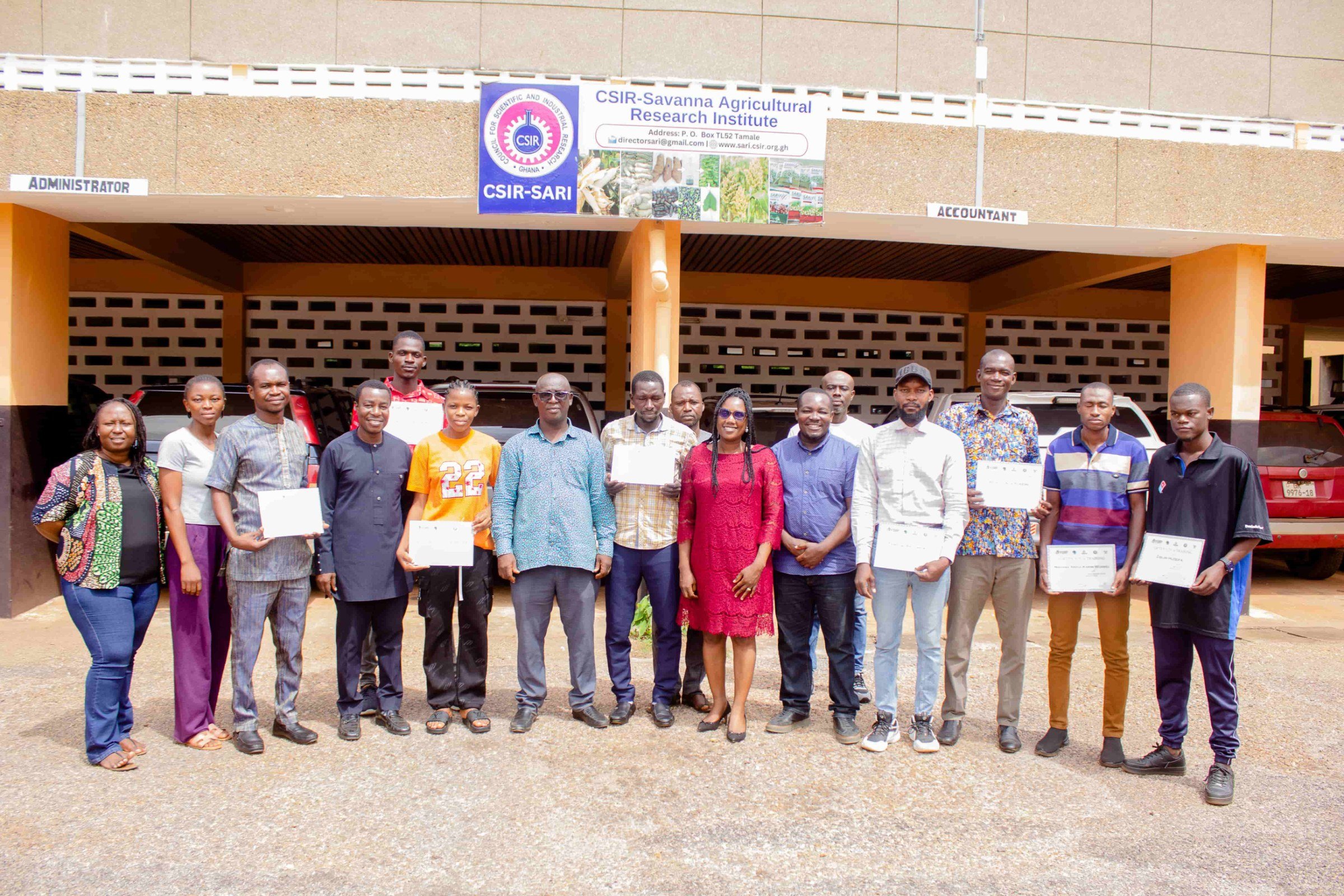
The Council for Scientific and Industrial Research–Savanna Agricultural Research Institute (CSIR-SARI) has successfully concluded a five-month intensive training in hybrid maize seed production, equipping a new cohort of young and women agripreneurs with critical skills to strengthen seed systems in Ghana. Held under the auspices of the Ministry of Food and Agriculture (MoFA) and funded by the World Bank-supported Food Systems Resilience Program (FSRP), the initiative was aimed at building local capacity for high-quality seed production as part of broader efforts to boost agricultural productivity and climate resilience. The graduation ceremony, held at the CSIR-SARI Seminar Room in Nyankpala on Thursday, June 19, marked the culmination of months of hands-on training involving classroom sessions and field demonstrations. 10 trainees who graduated were drawn from 9 seed companies, with many already planning to start their own hybrid maize seed enterprises. “We didn’t just teach theory. We walked the fields, Trainees learned to identify male and female rows, follow planting patterns, practice detasseling and rogueing, and manage irrigation and pest control. “The knowledge shared was both practical and in-depth, ensuring participants are fully equipped to produce hybrid maize seeds independently,” said Dr. Gloria Boakyewaa Adu, the lead facilitator of the program. Delivering remarks at the event, Mr. George Prah, a representative of MoFA/FSRP, underscored the rising demand for hybrid maize seeds across the country and beyond. “This is not just about producing seed—it’s about creating businesses and opportunities. The market for hybrid maize is expanding rapidly. We need you to step in, produce quality seeds, and learn to brand and market them effectively,” he stated. Dr. Francis Kusi, Director of CSIR-SARI, emphasized the institute’s commitment to driving innovation and youth engagement in agriculture. “We are proud of this partnership with FSRP and MoFA. We want you, our trainees, to consider yourselves as partners in progress. Link up with agribusinesses, leverage what you’ve learned, and help Ghana achieve food security and build resilient farming systems,” he encouraged. The graduates expressed gratitude for the opportunity and highlighted the relevance of the training. “As a young woman, I never thought I could become a seed producer. This training has given me confidence and direction. I am going to put everything I have learned here into practice. After the training I know I can now become a big seed producer in my area.” shared Trisha Akoriba Yusontaa, a participant from Upper West Region. “It was a life-changing experience,” added Francis Anarfo from Upper East Region. “I now understand the science behind seed production and have started preparing my field for the next planting season.” The program is part of a larger strategy by the Government of Ghana and its partners to build a resilient food system by empowering youth and women to take on leadership roles in agricultural value chains. As the trainees return to their communities, CSIR-SARI and MoFA will continue to provide technical support to ensure that the knowledge imparted translates into viable seed production enterprises capable of meeting both local and national seed demand.
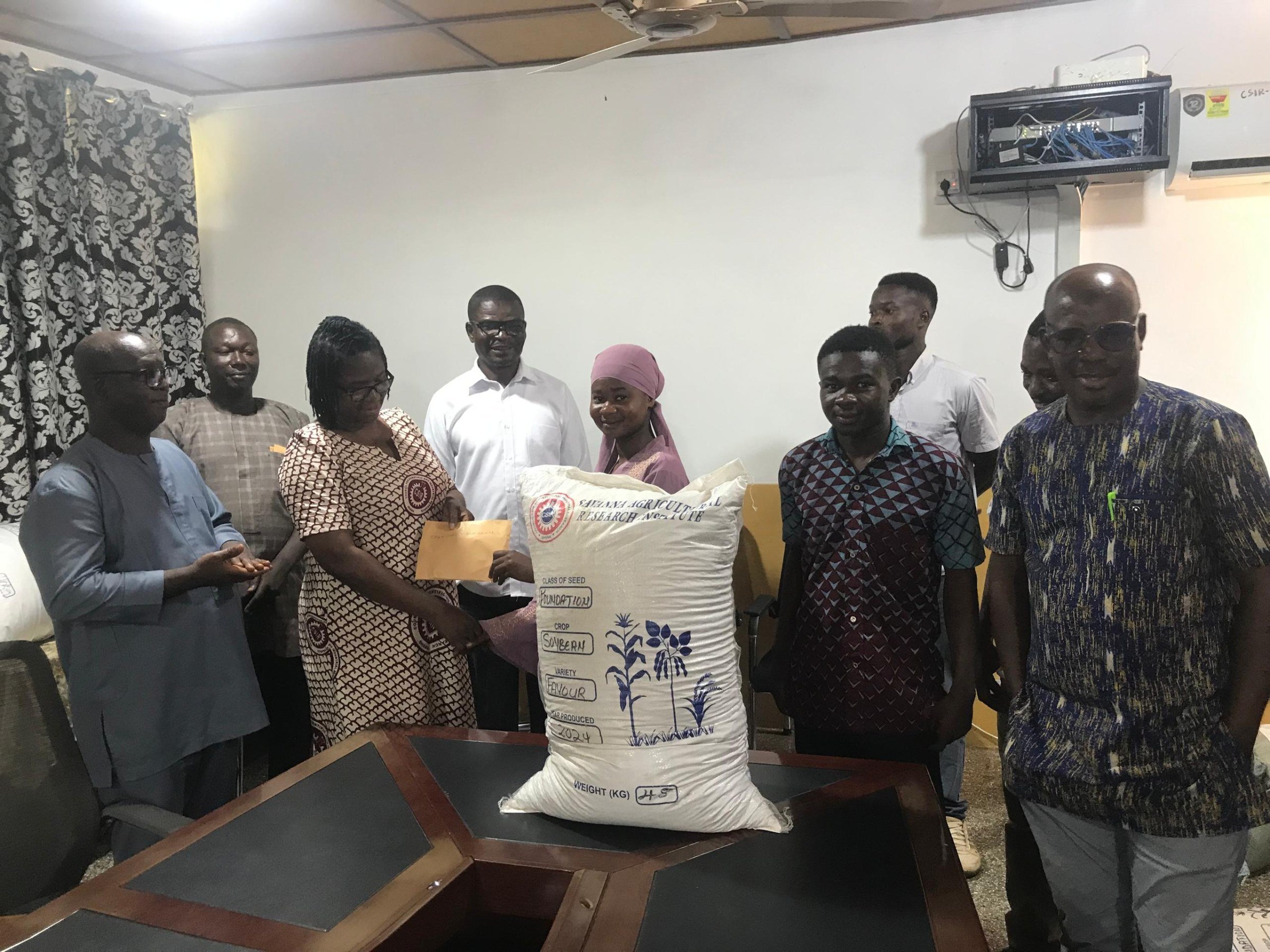
In a bid to promote youth-led agribusiness and strengthen Ghana’s seed systems, the Council for Scientific and Industrial Research – Savanna Agricultural Research Institute (CSIR-SARI) has supported four enterprising young farmers with start-up capital and foundation seeds to establish seed production enterprises under the CORAF-supported Agricultural Technology Park (ATP) initiative.
In a symbolic ceremony held at CSIR-SARI’s headquarters in Nyankpala, each of the four youth beneficiaries received $500 (equivalent to GHC 5,000) and foundation seed sufficient to cultivate one hectare of land. The intervention is strategically designed to help them establish enterprises in soybean, rice, and hybrid maize seed production—three key crops in Ghana’s food and seed security agenda.
The supported youth include:
• Francis Anafo from Talensi, who will engage in hybrid maize seed production;
• Salamatu Mahamatu from Wa, venturing into soybean seed production;
• Mohamed Seidu from Mion, starting rice seed production; and
• Bamba John from Saboba, also embarking on soybean seed production.
Delivering his remarks, Dr. Francis Kusi, Director of CSIR-SARI and Coordinator of the Agricultural Technology Park, described the initiative as a deliberate step to involve the next generation in high-value agribusiness along the seed value chain.
“Our goal is to help these young people become established seed producers who can not only support their families but also create job opportunities for other youth,” Dr. Kusi noted. “We are not just giving out money and seed—we are making a long-term investment in agricultural transformation through the youth.”
He further announced that CSIR-SARI will monitor their progress closely and provide technical backstopping to guide them throughout the season—from planting to harvesting and marketing.
The beneficiaries expressed deep gratitude for the support. Francis Anafo, speaking on behalf of the group, extended heartfelt appreciation to CORAF and CSIR-SARI for the opportunity.
“This is more than support—it is a breakthrough. We promise to make good use of the seeds and funds and ensure that we become successful seed entrepreneurs. We are grateful to CSIR-SARI and to CORAF for believing in us,” he said.
This youth seed enterprise initiative is part of a broader vision to position the Agricultural Technology Park as a launchpad for inclusive agricultural innovation and entrepreneurship in Northern Ghana. By providing real-world opportunities for young people to engage in agribusiness, CSIR-SARI is helping to reshape the future of agriculture in the region—one youth at a time.
The Agricultural Technology Park continues to serve as a live demonstration hub where proven technologies, including improved seeds and best agronomic practices, are showcased to farmers, policymakers, and development partners.
CSIR-SARI plans to scale up this youth support model in future seasons, with potential replication at its outstations and partner institutions across the country.
The CSIR-Savanna Agricultural Research Institute (CSIR-SARI), under the Council for Scientific and Industrial Research in Ghana, continues to stand tall as a beacon of innovation and agricultural transformation in the West African sub-region. At the heart of this transformation is the Agricultural Technology Park (ATP) located at the Nyankpala campus—an experimental and demonstration hub for cutting-edge, climate-smart agricultural technologies tailored to the needs of smallholder farmers.
Since its establishment, the ATP has showcased a wide array of improved crop varieties, integrated soil fertility management practices, irrigation innovations, mechanization solutions, and other scalable technologies that have the potential to revolutionize agriculture across Ghana and beyond. However, as the dry season approaches each year, the same question has repeatedly threatened the continuity of this progress: How do we sustain this park throughout the year?
The original plan to provide water for irrigation through boreholes at the ATP site quickly proved unfeasible due to the extremely high water table in the area. Attempts to drill boreholes failed, leading to technical setbacks and stalling plans to keep the park green and productive during the long, dry months.
This presented not only a technical hurdle but a significant strategic risk. Without a reliable source of irrigation, the park could only operate seasonally—curtailing its value as a year-round learning and demonstration center. For an institution like CSIR-SARI, whose mandate is to deliver technologies that support agricultural resilience, this was unacceptable.
It was at this critical juncture that the decisive leadership of Dr. Francis Kusi, Director of CSIR-SARI and Coordinator of the ATP, proved instrumental. With deep understanding of the operational needs of the park and an unshakable commitment to the Institute’s broader vision, Dr. Kusi spearheaded a search for a more sustainable and cost-effective solution.
He looked beyond the immediate problem and into the institute’s existing resources. Roughly 1,200 meters away from the park sits the CSIR-SARI domestic dam—a facility originally designed to support the station’s non-agricultural water needs. Dr. Kusi asked a bold question: Could this dam serve both domestic and irrigation purposes—and in doing so, solve one of the ATP’s biggest problems?
With the support of his team and irrigation experts at the institute, Dr. Kusi oversaw the reengineering and redesign of the dam’s water storage system. Under his direction, the dam was upgraded to hold sufficient water to meet both its original purpose and the irrigation needs of the ATP.
But Dr. Kusi didn’t stop at theory. He moved swiftly into action. Plans were drawn up to install a comprehensive drip irrigation system that would connect the dam to the ATP. Procurement of the necessary irrigation equipment—including thousands of meters of piping and water control systems—is currently underway.
Once installed, this system will ensure that the technologies displayed at the park are not at the mercy of seasonal rains. Farmers, students, policymakers, and development partners who visit the park will be able to see these innovations in action throughout the year—greatly enhancing the park’s value as a hub for capacity building, technology adoption, and south-south learning.
Beyond solving a local challenge, Dr. Kusi’s intervention has sparked broader discussions on how CSIR-SARI can better leverage its assets and internal ingenuity to achieve strategic goals. The irrigation solution has become a case study in institutional innovation—highlighting how leadership that is both visionary and pragmatic can mobilize internal resources to overcome obstacles that would otherwise require expensive external interventions.
As the pipes are laid and the irrigation system comes to life, the Agricultural Technology Park is poised to enter a new phase of its development—one characterized by 365-day operability, improved knowledge dissemination, and higher impact. None of this would have been possible without the deliberate, forward-looking leadership of Dr. Francis Kusi.
In a region where rainfall is increasingly unpredictable and where farmers’ livelihoods hang in the balance, this bold and strategic solution has not only solved a logistical problem—it has safeguarded the future of innovation for thousands of farmers across Northern Ghana.
This is what leadership looks like. This is what agricultural transformation requires. And this is what CSIR-SARI, under the guidance of Dr. Francis Kusi, is delivering—one bold decision at a time.
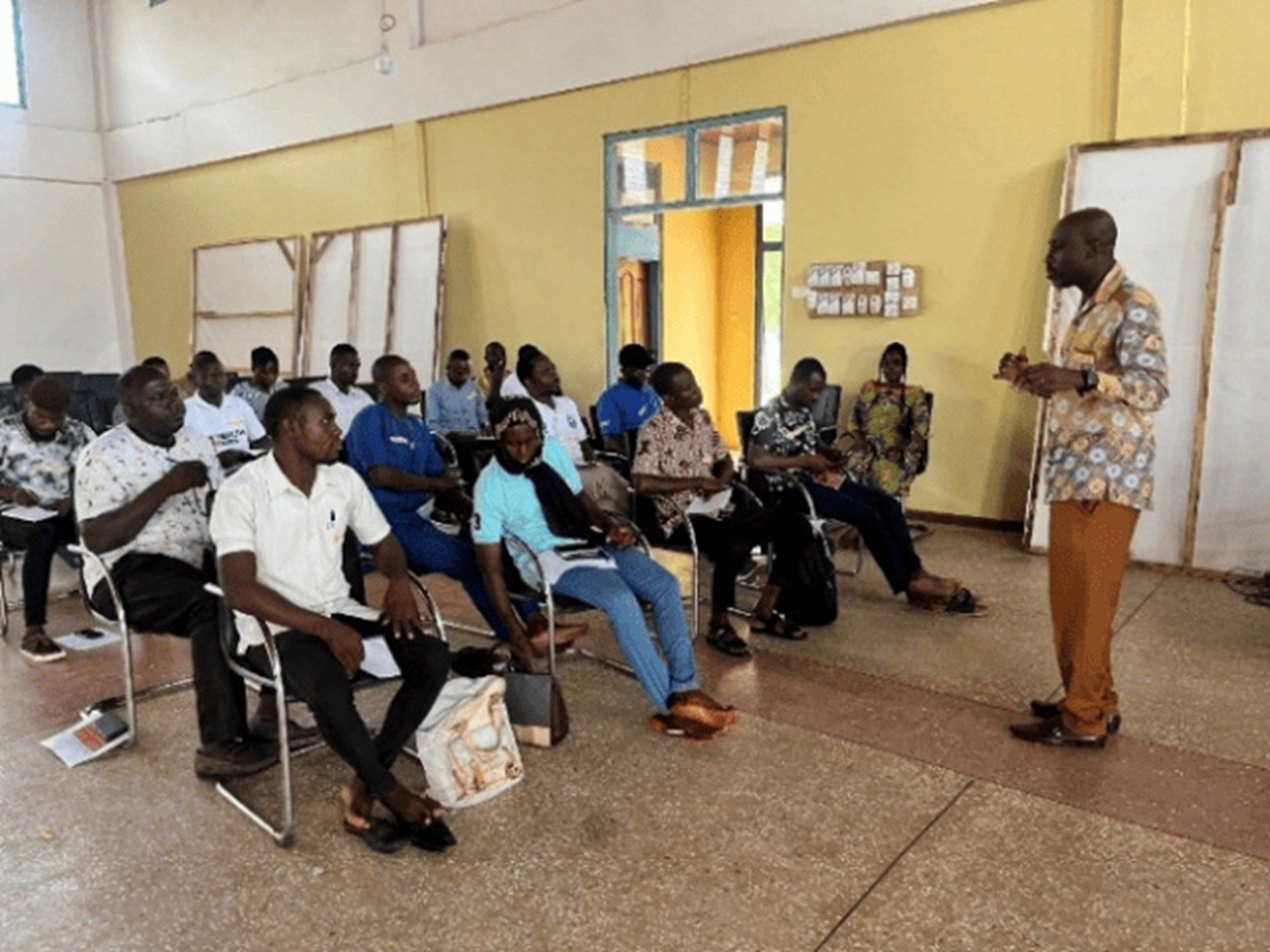
In a bid to strengthen agribusiness and entrepreneurship capacities among extension agents, the CSIR-Savanna Agricultural Research Institute (CSIR-SARI), in collaboration with the Agribusiness Facility for Africa Project, organized a four-day master training workshop for 17 selected trainers and extension officers. The intensive training, held from May 6 to May 9, 2025, at CSIR-SARI’s Nyankpala campus, aimed to enhance participants’ knowledge and facilitation skills in agribusiness, financial literacy, gender inclusion, and community-based financial models.
The training workshop employed a participatory methodology, combining PowerPoint presentations, group work, plenary discussions, role play, and experience sharing. Each day was dedicated to one key module to ensure in-depth understanding and practical engagement.
Day 1 – Agribusiness and Entrepreneurship:
Participants were introduced to the concepts of agribusiness and entrepreneurship, focusing on identifying income-generating opportunities and transitioning from subsistence farming to commercially oriented agripreneurship. Topics included strategic thinking, economic principles such as demand and supply, crop budgeting, market identification, and enterprise development. The session sought to instill an entrepreneurial mindset among participants.
Day 2 – Finance, Record-Keeping, Business Cycle, and the Value Chain:
This session emphasized financial management, including record-keeping practices, budgeting, and cost‒benefit analysis. Trainers were also taken through the seed value chain, highlighting the roles of various actors and the importance of quality seeds in productivity. The module aimed at enhancing participants’ understanding of how to build strong business foundations within the agricultural value chain.
Day 3 – Village Savings and Loans Association (VSLA):
Participants explored the structure and operations of VSLAs as community-driven financial systems. Through practical demonstrations, they learned group formation processes, savings cycles, and fund disbursement procedures. Tools such as mobile money platforms and VSLA tracking apps were also introduced to support transparency and efficiency in managing community savings groups.
Day 4 – Gender Inclusion:
The final module addressed the critical need for equitable access to resources for both men and women. Participants discussed existing gender barriers and shared real-life experiences to propose actionable solutions for promoting inclusivity. Special attention was given to empowering women and youth in agribusiness and leadership roles within agricultural communities.
Reflecting on the overall training, Dr. Prince Etwire, lead facilitator and Senior Research Scientist at CSIR-SARI, stated:
“Our goal is not just to inform, but to transform. By equipping trainers with both knowledge and the right tools, we’re multiplying the impact. These 17 trainers will now go on to empower hundreds of farmers with practical, business-minded approaches to agriculture.”
One of the participants, an extension officer from the Northern Region, also shared her experience:
“This training has shifted my perspective completely. I now feel more confident not only to support farmers with technical advice but to guide them on how to make their farms more profitable and sustainable.”
At the close of the workshop, participants expressed commitment to conducting step-down trainings for over 100 smallholder farmers across various operational zones. The successful completion of this master training marks a significant step towards strengthening grassroots capacity for agricultural transformation in Northern Ghana.
CSIR-SARI remains committed to fostering innovation and human capital development in agriculture through strategic partnerships and impactful training programmes.
.