

SARI Weekly
News from the CSIR-Savanna Agricultural Research Institute
Breeding the sesame that markets want
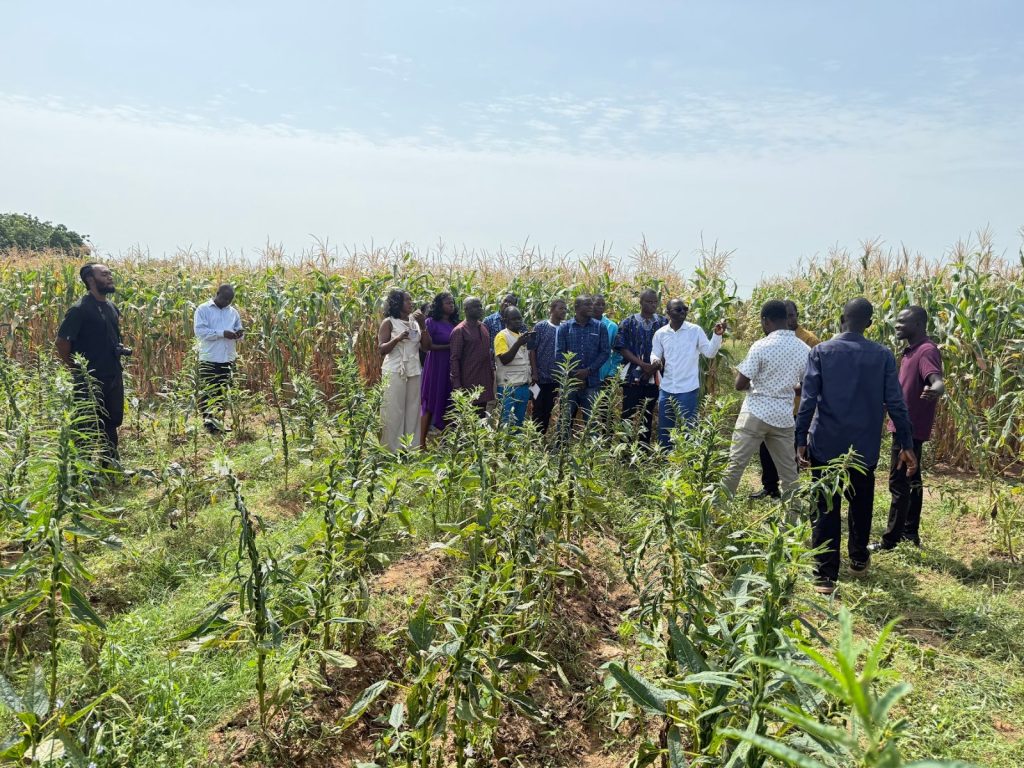
CSIR-SARI is breeding at least three early- to medium-maturing sesame varieties to turn the crop into a commercial success for Ghana. Under the DCP-VACS Sesame Impact Accelerating Project, researchers, farmers, seed producers, processors, exporters and policymakers met at Nyankpala to validate what each variety must deliver: early maturity and high yields for farmers, high oil content for processors, and uniform seed colour for exporters. Ghana has no officially released improved sesame variety yet, so most smallholders still plant local landraces and mixed seed. The project will also build a seed system to multiply the new varieties for the Transition, Guinea Savannah and Sudan Savannah zones. Director Dr Francis Kusi said linking varieties, quality seed and markets is the key to unlocking sesame’s potential to create rural wealth.
Read the full story →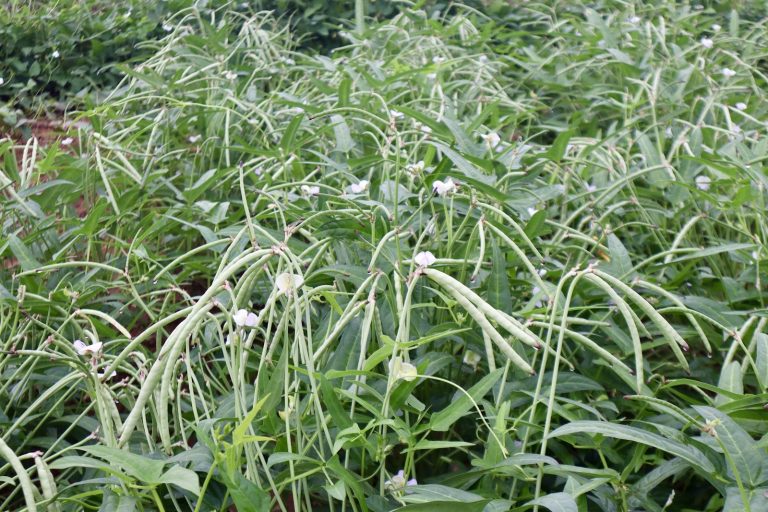
Wood vinegar lifts cowpea and maize yields
Two peer-reviewed studies on CSIR-SARI’s Nyankpala fields, cited this week by MyJoyOnline, found that drenching the soil around cowpea with diluted wood vinegar raised grain yields by about 45 to 65 per cent and improved soil health. In maize, wood vinegar combined with only half the recommended NPK rate gave yields similar to the full fertiliser rate. The teams of Dr Edwin Korbla Akley and Dr Ophelia Asirifi Amoako say it complements fertiliser rather than replacing it, and that more on-farm testing is needed.
Read more →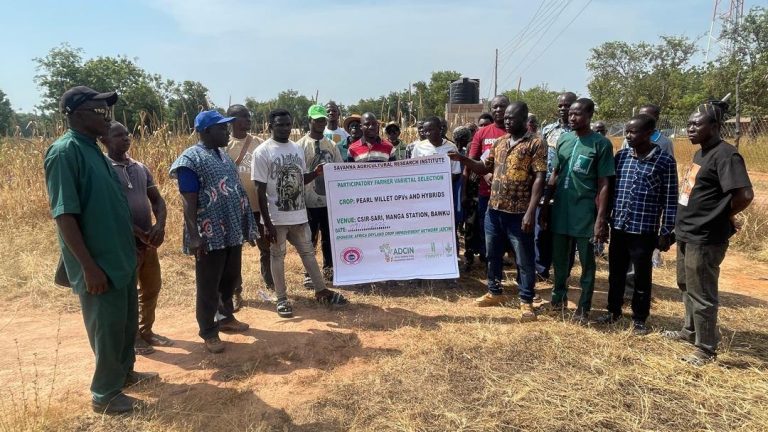
Hybrid pearl millet to revive a fading crop
At the Manga Research Station, 54 farmers from Bawku and three neighbouring districts walked through trials of about 30 pearl millet hybrids and each picked their five favourites. The best hybrids yield up to 3.5 tonnes per hectare, against about 2.1 tonnes for current improved varieties, and early types are ready in 75 to 80 days. Four hybrids are already in the release process, and breeder Dr Peter Asungre says the farmers’ choices will help decide which go forward. With CIMMYT support through ADCIN, demonstrations will extend across northern Ghana in 2027.
Read more →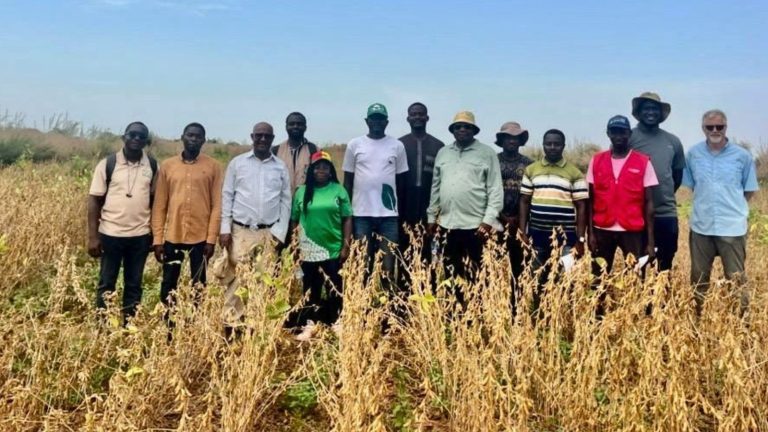
Farmers and seed firms help pick drought-tolerant soybean
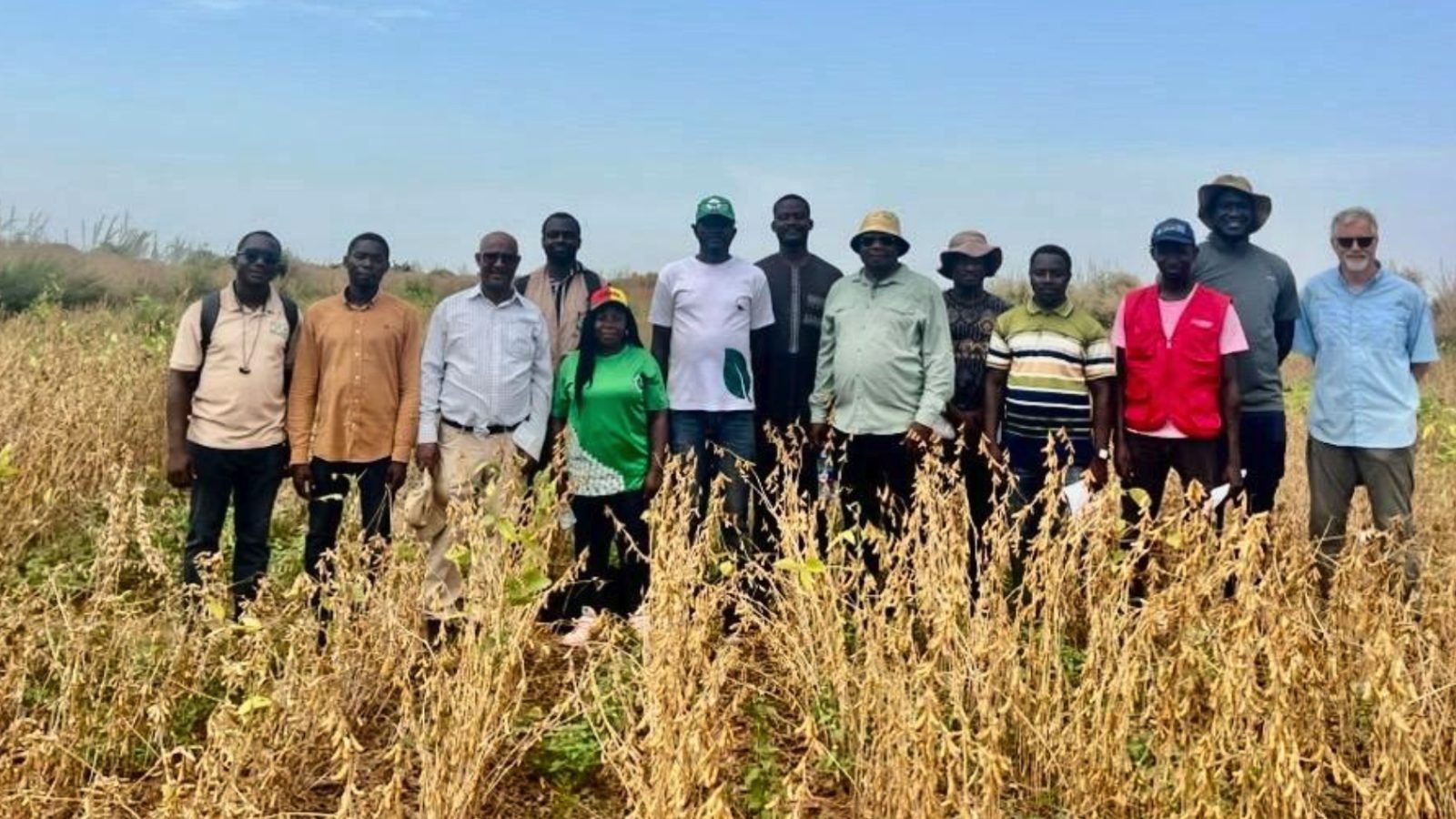
Farmers from five communities and two seed companies, BATBAK Services and Heritage Seeds, joined CSIR-SARI and IITA scientists to score 30 soybean lines for drought tolerance, yield and harvest traits. The exercise is part of CSIR-SARI’s AGRA-funded soybean improvement programme with IITA. Programme head Dr Francisca Addae-Frimpomaah said involving users early is key to adoption, and selected farmers will receive free seed to test the lines on their own farms. The five most promising lines move to on-farm demonstrations in 2027.
Read more →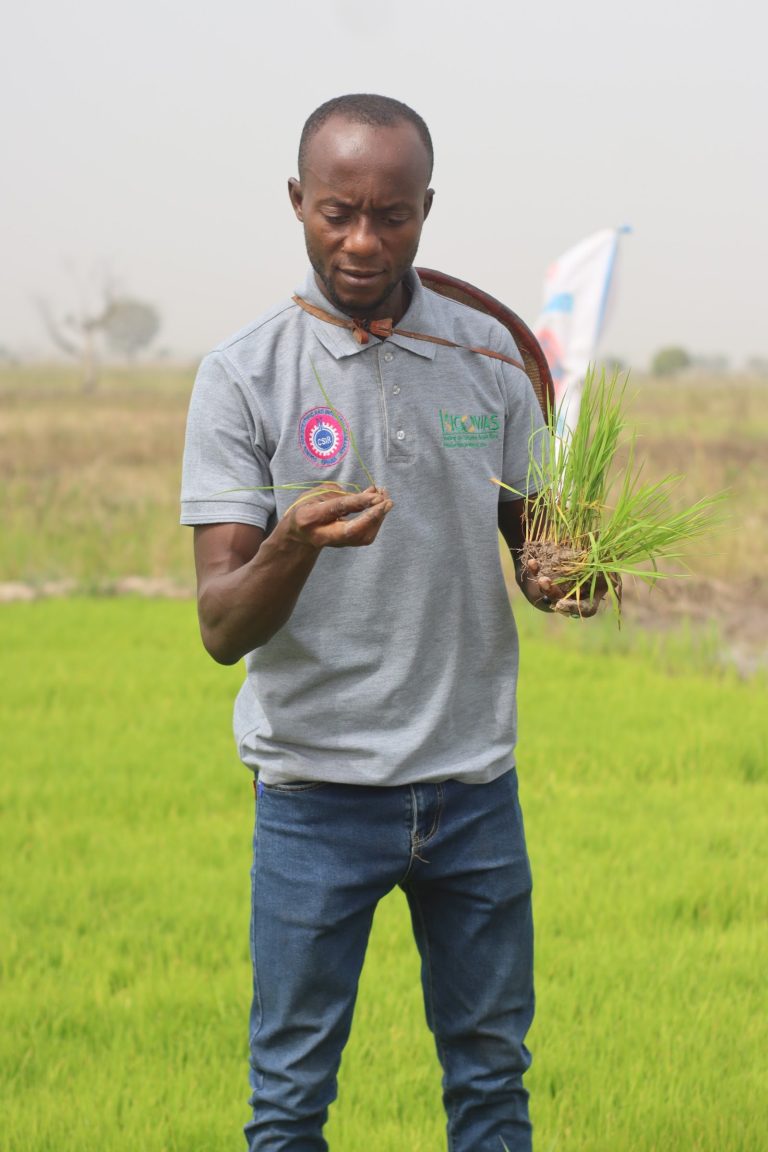
Climate-resilient rice on show at Yilo-Naayili
Through the RICOWAS Project, CSIR-SARI set up a demonstration farm at Yilo-Naayili where farmers took part in every stage, from planting to compost application. The plot showcased the System of Rice Intensification: compost-enriched soil, transplanting seedlings at 14 to 15 days, line planting for mechanical weeding, and alternate wetting and drying to save water. Four CSIR-SARI varieties were on display, including the early-maturing CSIR-Banse Rice, ready in about 84 days. The Municipal Director of Agriculture said the aim is to close gaps in farmers’ practices and lift yields.
Read more →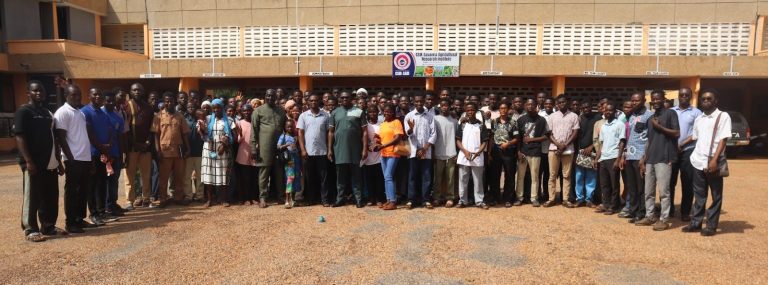
UDS students step into our laboratories
Students of the University for Development Studies spent three hours touring five CSIR-SARI laboratories to link classroom learning with real research. Dr Salim Lamini explained plant disease diagnostics, Dr Fredrick Awuku introduced biotechnology equipment, and Dr Kwabena Darkwa showed how yam tissue culture produces clean planting material. The group also visited the soil microbiology and soil chemistry laboratories. Many left with fresh ideas about careers in agricultural research.
Read more →
Leave a Reply