 Nyankpala, Northern Ghana — September 24, 2026
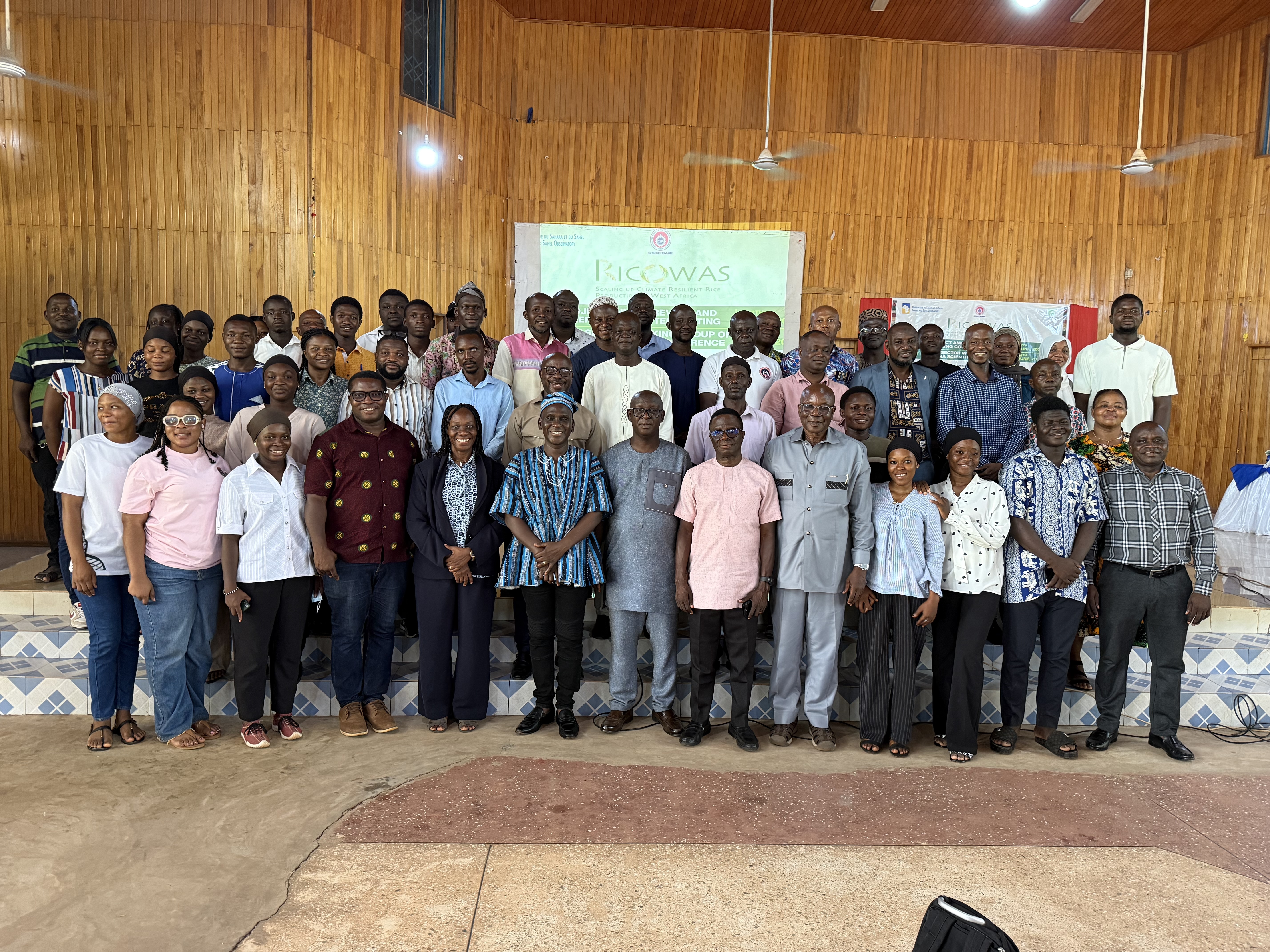
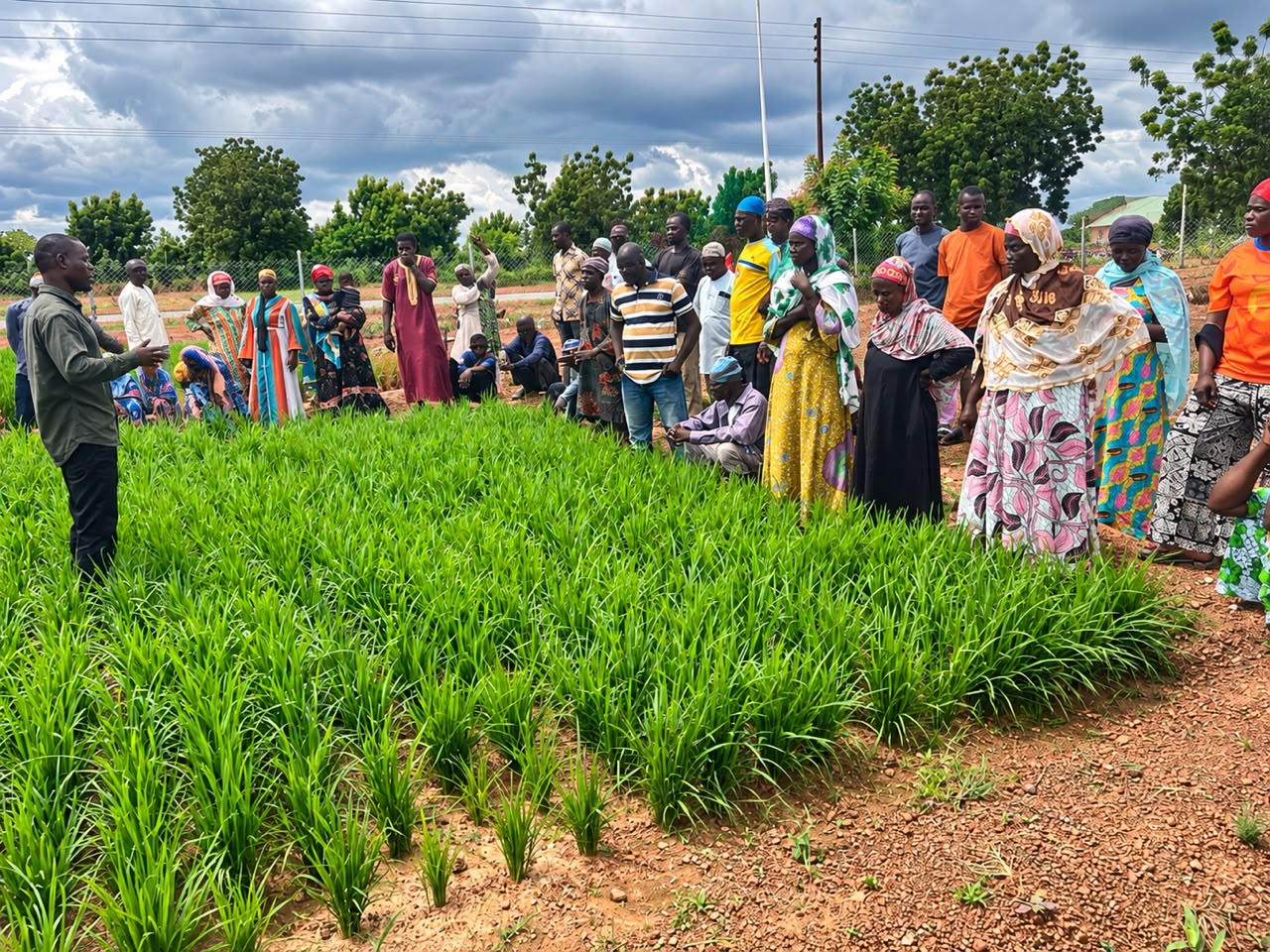
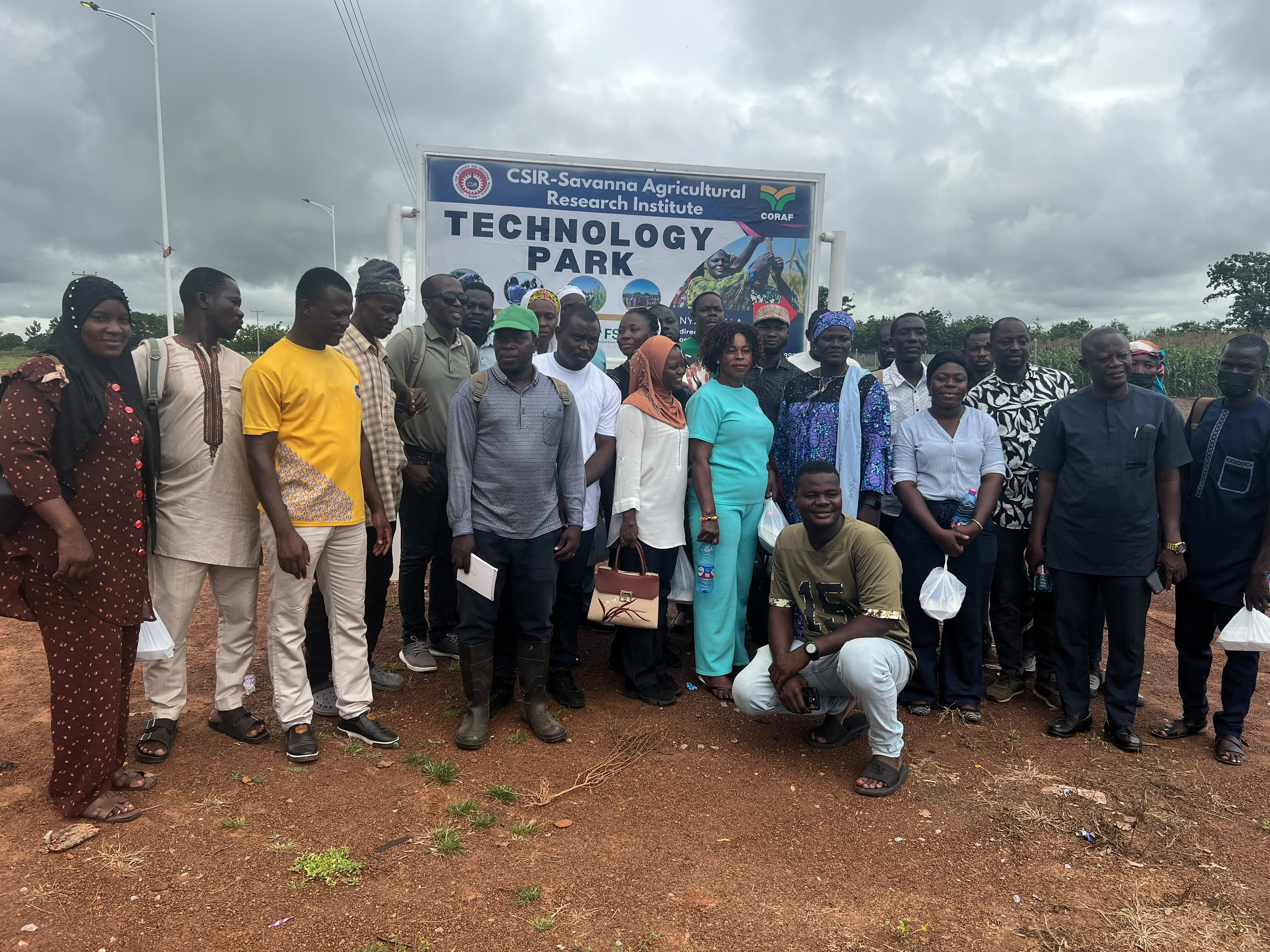
For 130 farmers from Kpendua, Nyankpala and Gumacheguyili, a visit to the CSIR-Savanna Agricultural Research Institute (CSIR-SARI) Technology Park was an opportunity to move beyond hearing about agricultural innovations and experience them firsthand.
The farmers visited the Technology Park at Nyankpala to learn about improved crop varieties, agricultural technologies and production practices developed by CSIR-SARI to address challenges faced by farmers across northern Ghana.
Supported by the West and Central African Council for Agricultural Research and Development (CORAF), the CSIR-SARI Technology Park serves as a practical platform for showcasing agricultural innovations and strengthening the connection between research and the farming communities that the innovations are intended to serve.
From seeing to understanding
For farmers, deciding whether to adopt a new variety or technology often depends on more than simply receiving information. They need to see how it performs, understand how it is used and have an opportunity to ask questions.
The Technology Park provides this opportunity by bringing different agricultural innovations together in a practical demonstration environment.
During the visit, the farmers interacted with researchers and had the opportunity to learn about the technologies, their benefits and how they can be applied under farming conditions.
For Fusseinatu Mohammed, a farmer from Gumacheguyili, seeing the technologies firsthand helped make the information more practical.
“Seeing the technologies here and learning directly from the researchers gives us a better understanding of what we can use on our farms. We are taking this knowledge back to our communities.”
Her experience reflects the broader purpose of the Technology Park: creating a space where farmers can move from simply hearing about agricultural innovations to seeing, questioning, understanding and considering their application on their own farms.
Bringing research closer to the farmer
CSIR-SARI conducts research to develop technologies that respond to the needs and challenges of farmers. However, the journey from research to impact requires effective mechanisms for getting those innovations into the hands of farmers.
The Technology Park is designed to serve as one of these mechanisms.
By bringing farmers directly to the demonstration site, CSIR-SARI creates an opportunity for researchers and farmers to interact, exchange knowledge and discuss practical challenges.
This two-way engagement is important. While farmers gain exposure to new technologies, researchers also have an opportunity to listen to farmers and better understand the realities they face in their farming communities.
Building a pathway to impact
The participation of 130 farmers from Kpendua, Nyankpala and Gumacheguyili marks another step in CSIR-SARI's efforts to strengthen the connection between research and farming communities.
The expectation is that the knowledge gained during the visit will extend beyond the Technology Park as farmers share what they have learned with other farmers in their communities and consider technologies that are relevant to their farming systems.
The approach reflects a simple but important pathway:
Research → Demonstration → Farmer Learning → Adoption → Improved Farm Outcomes
With support from CORAF, CSIR-SARI is positioning the Technology Park as more than a collection of demonstration plots. It is becoming a platform for knowledge exchange, technology demonstration and farmer engagement, helping to bring agricultural research closer to the people it is intended to serve.
As more farmers visit the facility, CSIR-SARI continues to work toward ensuring that innovations developed through agricultural research do not remain within research fields and laboratories, but reach the farming communities they were developed to serve.
From research to demonstration. From demonstration to the farmer.
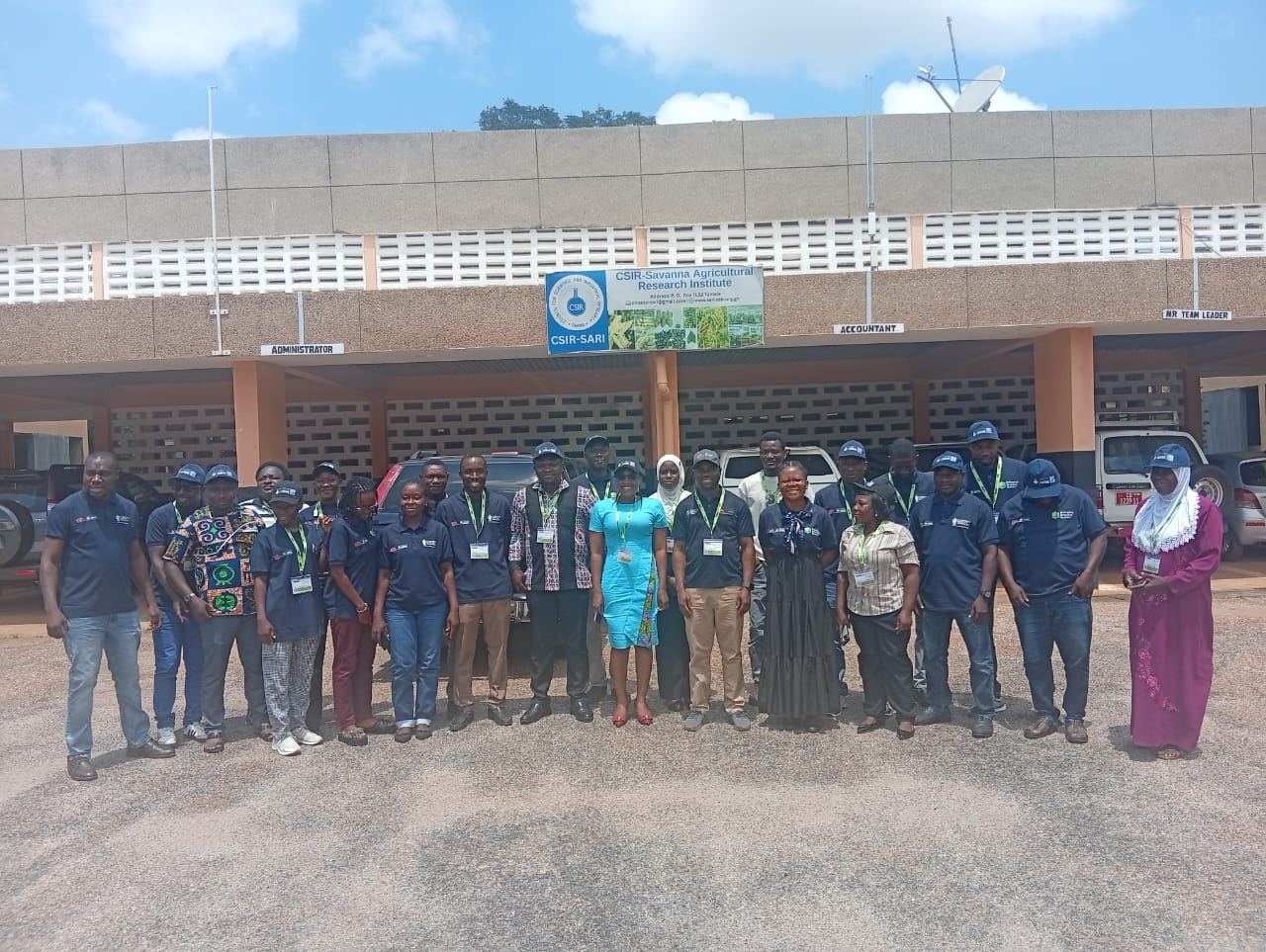 The Council for Scientific and Industrial Research–Savanna Agricultural Research Institute (CSIR-SARI), in collaboration with the International Institute of Tropical Agriculture (IITA), has strengthened the capacity of five crop breeding teams through a five-day Enterprise Breeding System (EBS) and Bioflow Capacity Strengthening Workshop held at CSIR-SARI in Tamale, Ghana, from 31 August to 4 September 2026.
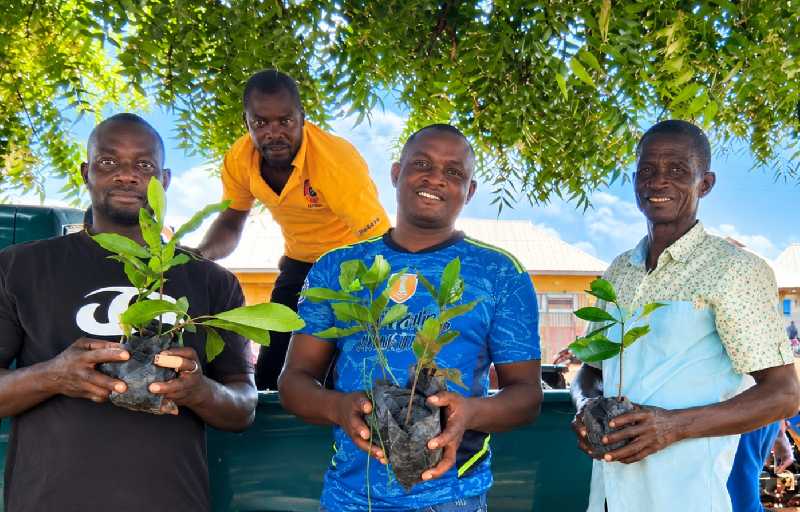 The Council for Scientific and Industrial Research–Savanna Agricultural Research Institute (CSIR-SARI) is supporting communities in Ghana's Upper East and Upper West Regions to restore degraded landscapes, strengthen climate resilience and create new livelihood opportunities through agroforestry.
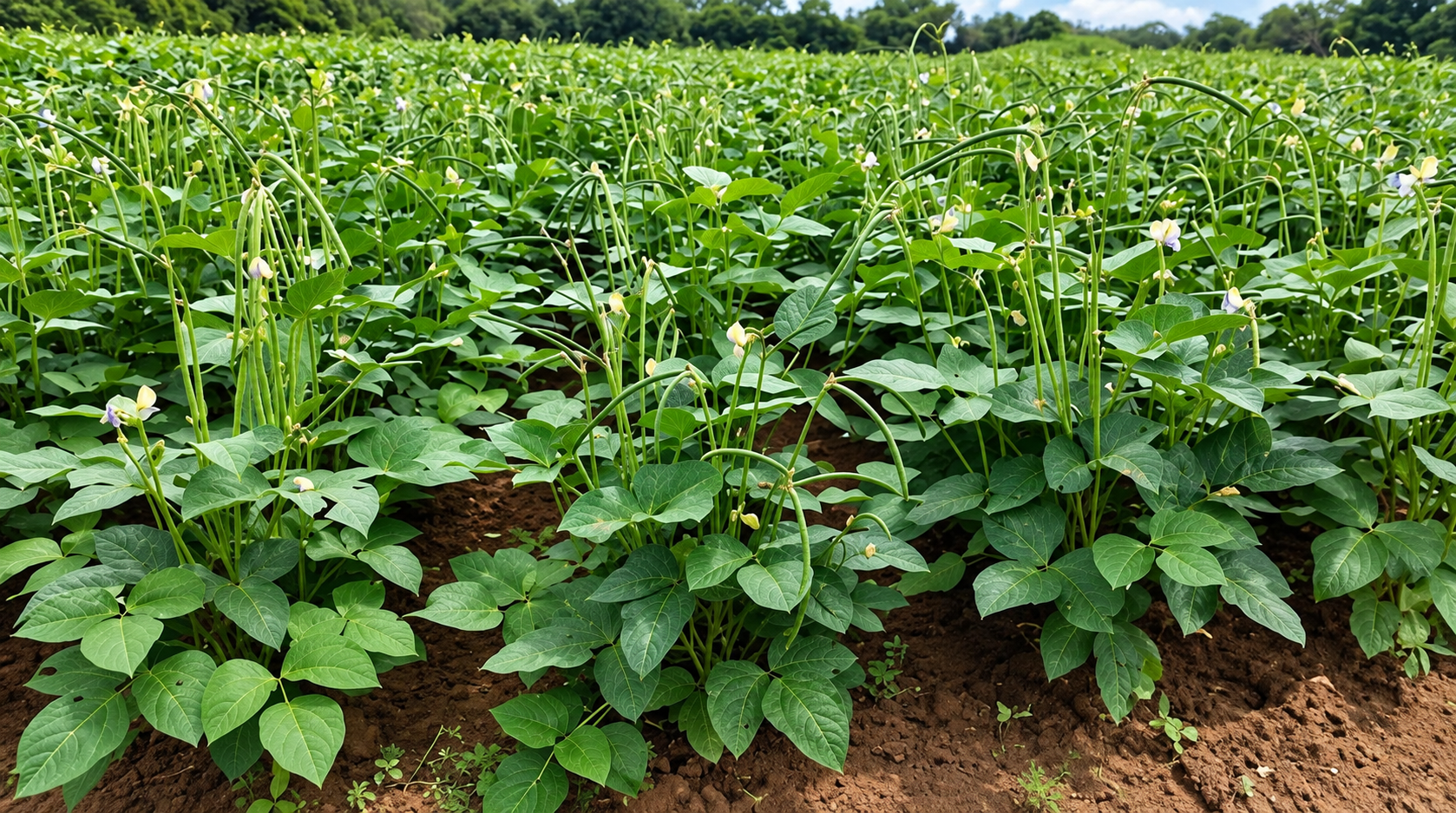 A new study led by scientists from the Council for Scientific and Industrial Research–Savanna Agricultural Research Institute (CSIR-SARI) in Ghana has identified promising cowpea genotypes with the potential to strengthen climate resilience and improve grain yield stability under recurrent drought conditions.